Small spaces can work beautifully
A compact home, apartment, or shared room can be comfortable and organized without looking like a showroom. The goal is to make everyday items easy to find and put away. Smart organization begins with understanding the space—not with buying a pile of containers.
Clear and measure first
Before shopping, decide what you want to store and remove items that no longer belong in that area. Measure width, depth, and height, including clearance for doors and drawers. Write down the dimensions so you can compare them with product listings.
Use vertical space thoughtfully
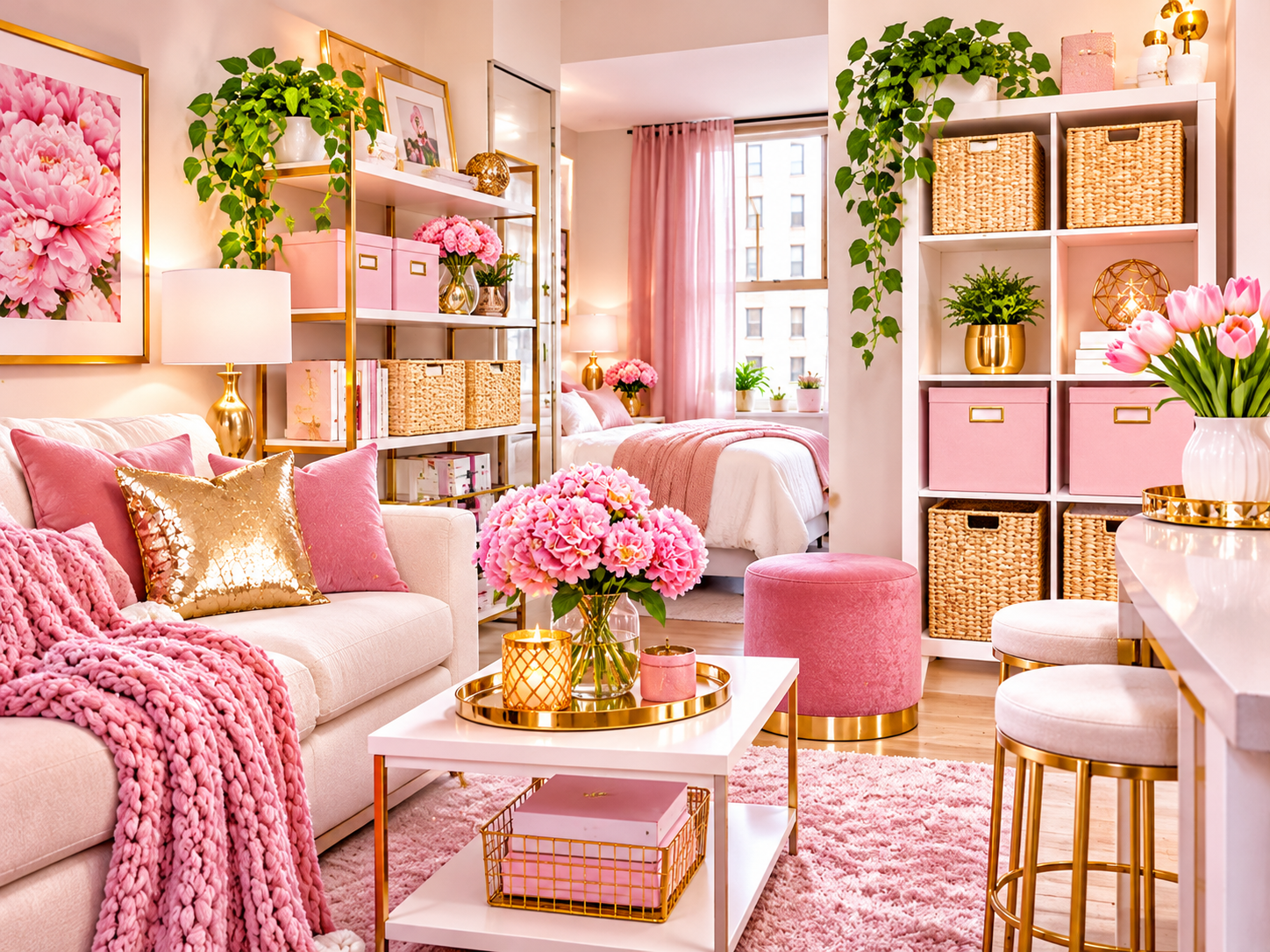
Shelves, wall hooks, and over-door organizers can make use of otherwise empty areas. Check weight limits and installation requirements. Use appropriate mounting hardware and avoid placing heavy items where they could fall.
Choose baskets by function
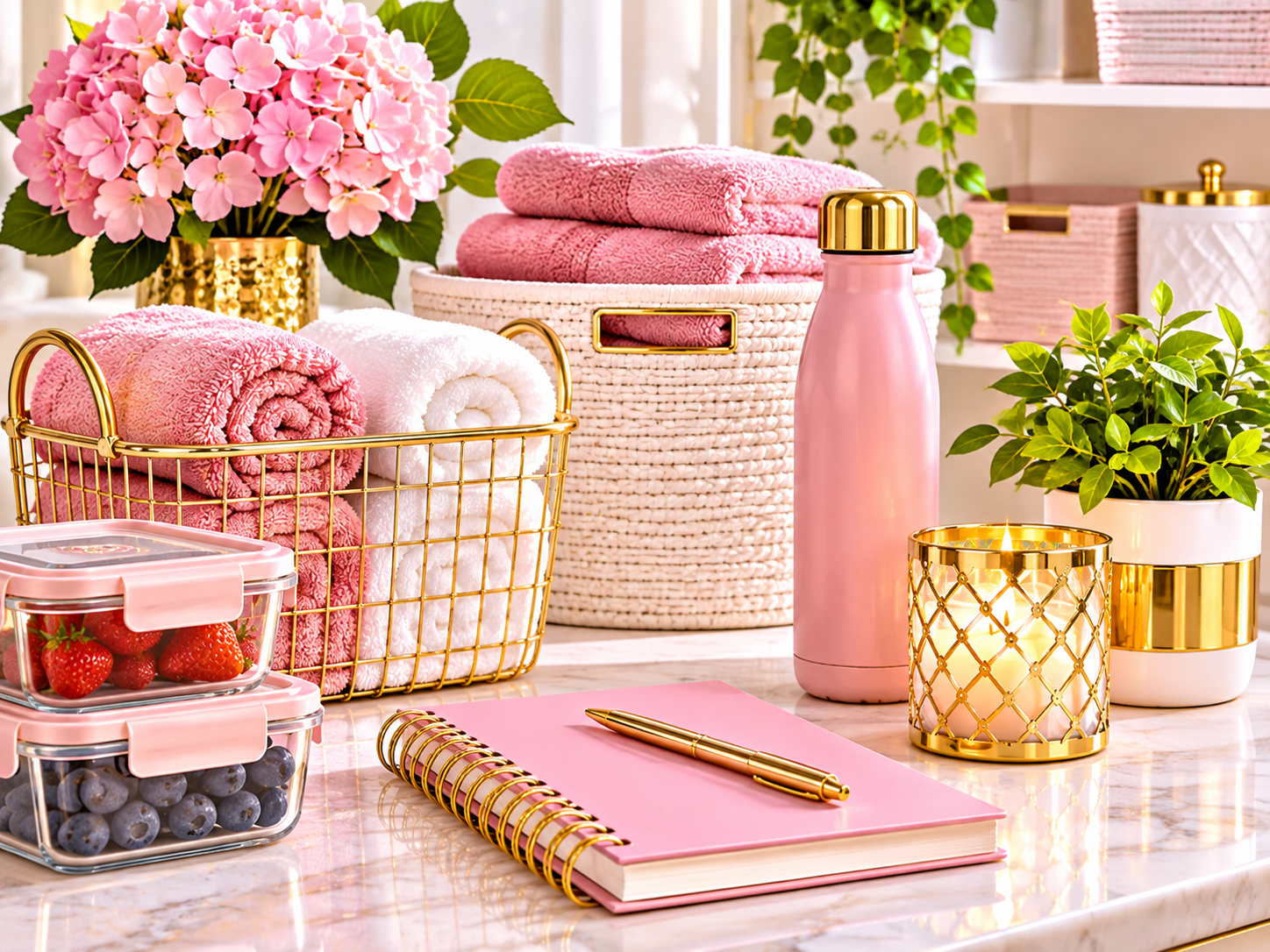
A basket can group blankets, mail, toiletries, or craft supplies. Look for handles, washable surfaces, and a size that suits its contents. Matching baskets may look appealing, but they are not necessary for a tidy space.
Keep frequently used items accessible
Store everyday essentials where you naturally reach for them. Reserve higher or less convenient storage for items you use occasionally. If children share the space, keep hazardous items secured and out of reach.
Try drawer and shelf dividers
Dividers can create smaller sections within a crowded drawer or cabinet. Adjustable designs offer flexibility, but repurposed boxes or existing containers may do the job. Make sure dividers do not prevent drawers from closing properly.
Consider furniture that serves two purposes
A storage ottoman, bed with drawers, or bench with compartments may be useful if you need both seating and storage. Compare dimensions, durability, and safe load capacity. Avoid buying bulky furniture just because it promises extra storage.
Label only where it helps
Labels can make shared storage easier to maintain, especially for pantry supplies, craft materials, or seasonal items. You do not need to label everything. A simple system that everyone understands is more useful than a complicated one.
Beware of the container trap
Buying organizers before sorting your belongings can leave you with extra bins and the same clutter. Start by grouping similar items and estimating the amount of storage you truly need. Then purchase only the missing pieces.
A simple shopping plan
Make a short list of the areas causing the most frustration. Measure, compare product details, review return policies, and choose one affordable solution to test. Give it a week before deciding whether you need more.
Make room for everyday life
Good organization should make a space easier to live in, not harder to maintain. A few thoughtful changes can help a small home feel more open, useful, and welcoming.